Europe is a continent that photographers return to repeatedly, not because it is undiscovered — it is perhaps the most photographed landmass on Earth — but because its extraordinary diversity of landscape, architecture, and light repays revisiting with fresh eyes. This journal covers three European journeys made across nine months: Santorini in spring, Tuscany in autumn, and the Swiss Alps in early winter.
The challenge of photographing iconic European destinations is not finding compositions — the internet has documented every viewpoint a thousand times. The challenge is finding the moments within those viewpoints that transcend the familiar: the light that arrives differently, the empty hour before the crowds, the angle that reframes the known into the unexpected.
Santorini: Beyond the Blue Domes
The caldera view from Oia is perhaps the most reproduced image in travel photography. Thousands of tripods have been set up on that clifftop terrace, and millions of identical photographs have been made of the blue domes, the white walls, and the Aegean below. I have made my version too — and it was beautiful. But the images I cherish from Santorini came from other places entirely.
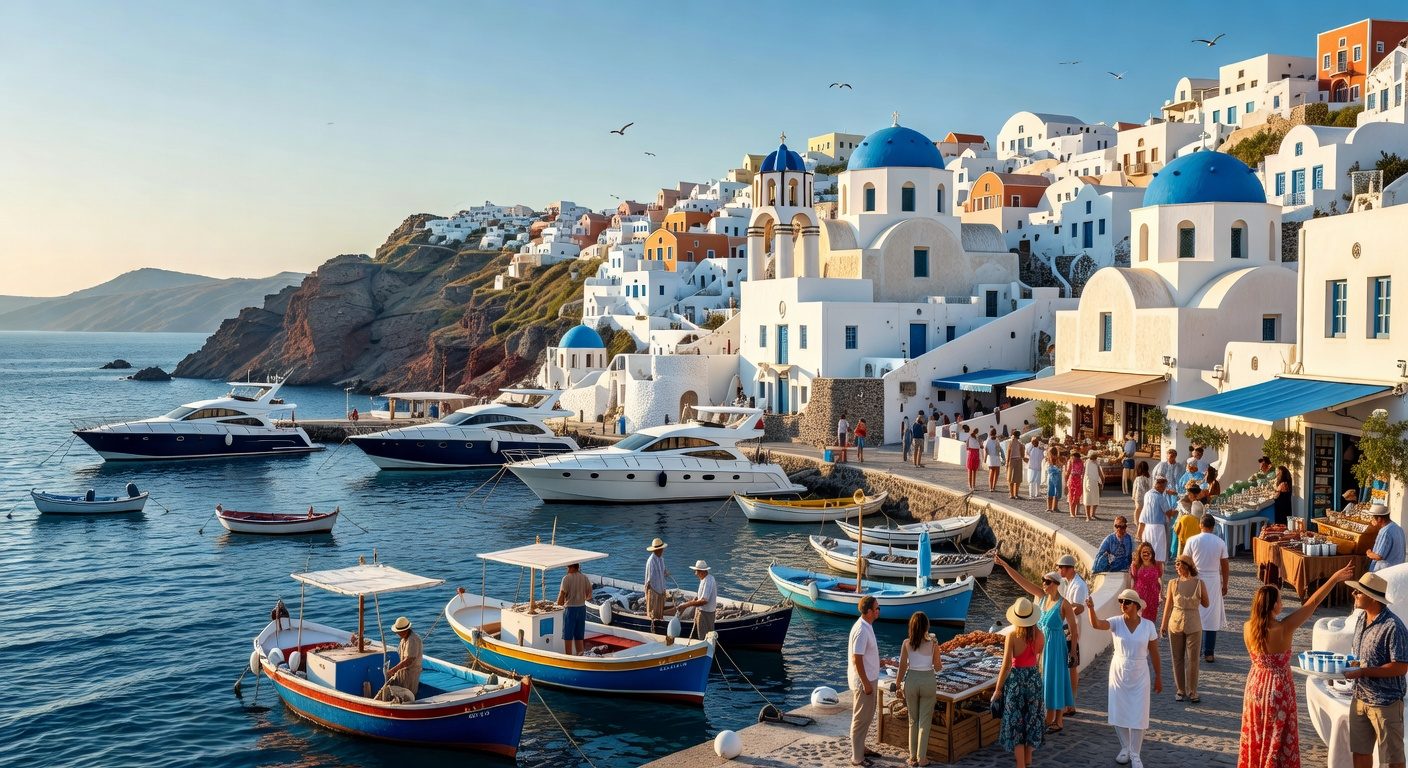
The harbour district of Ammoudi, 200 steps below Oia, is where fishing boats still come in before dawn. The combination of small-scale working architecture, the volcanic cliffs above, and the extraordinary quality of Aegean light at 6 AM produced images that feel genuinely personal rather than derivative. The emptiness of early morning in a tourist destination is always a gift to the photographer who arrives first.
"Every iconic location has a secret second self — visible only to those who arrive before the crowds, stay after they leave, and look in directions that are not marked on the tourist maps."
Tuscany in the Harvest
I was in Tuscany in late September, when the harvest was in full swing and the landscape had shifted from the dry summer gold to the richer, more complex colours of early autumn. The vineyards around Montalcino and Montepulciano were at their most photogenic — rows of ripening Sangiovese grapes catching the soft afternoon light, with the towers of hill towns visible on every horizon.
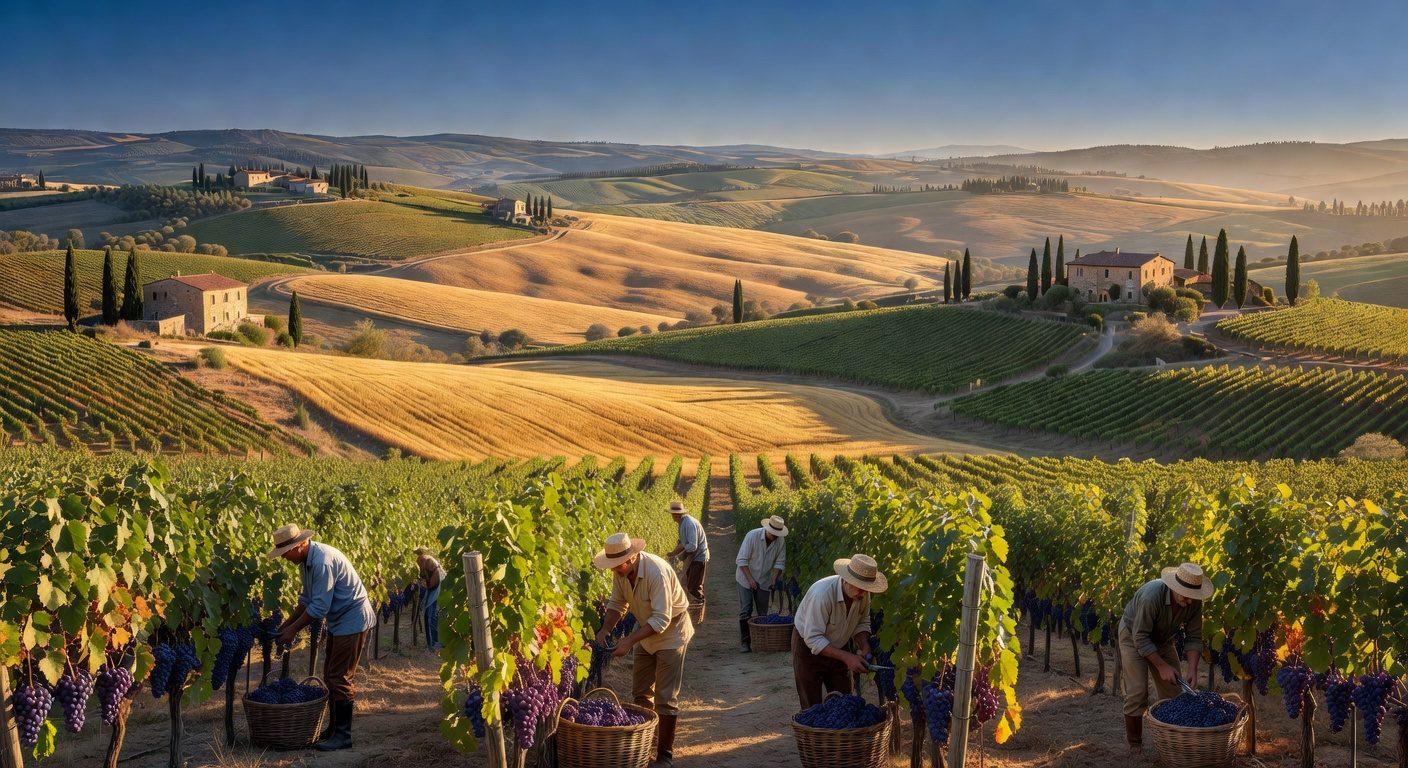
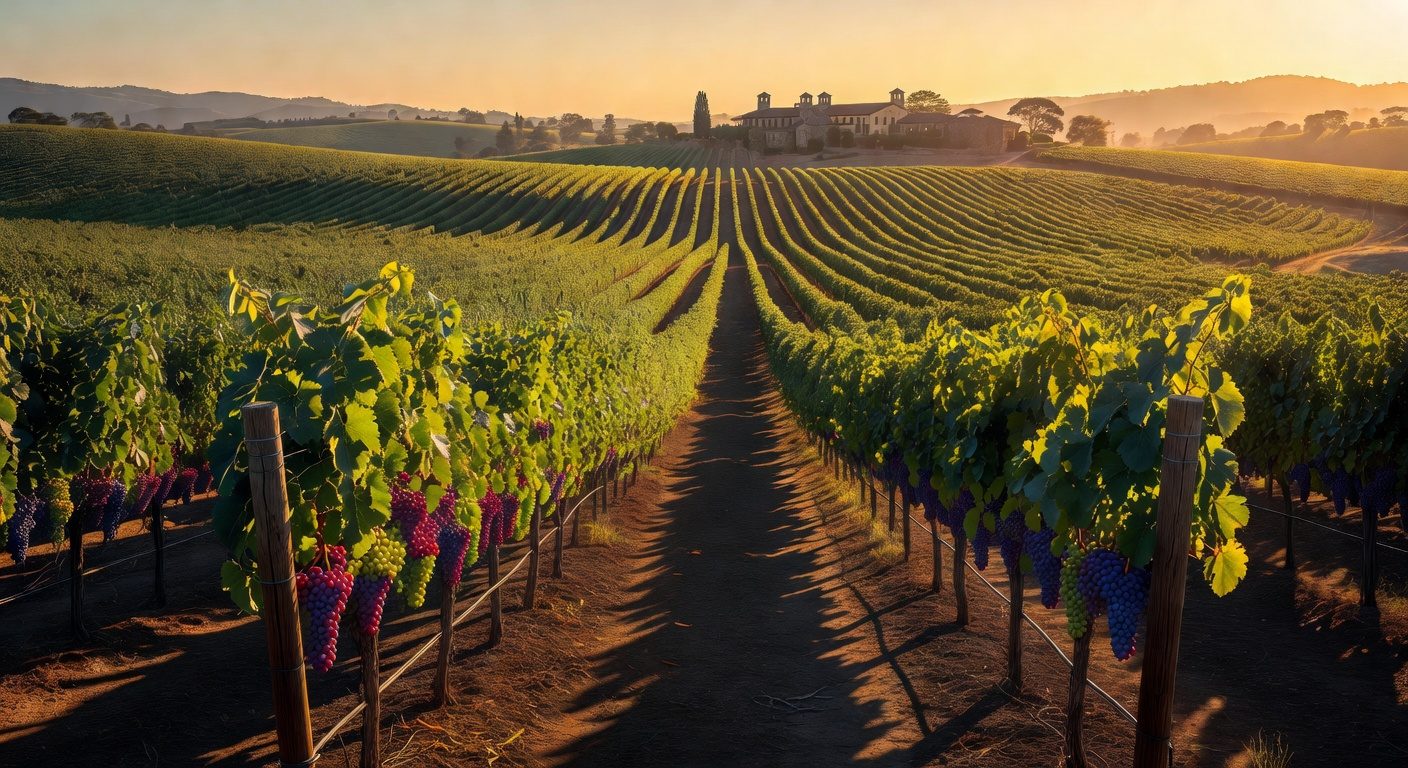
The Val d'Orcia, a UNESCO World Heritage landscape, rewards the patience to wait for fog. In the early mornings of September, dense ground mist fills the valleys below the cypress-lined ridges, creating the layered, atmospheric compositions that define the classic Tuscan image. By 9 AM the mist has usually burned off, which means pre-dawn positioning is essential.
📷 European Landscape Photography — Seasonal Guide
- Santorini: April–May (spring light, minimal crowds) or October–November (storm light)
- Tuscany: September–October (harvest, soft light, golden vineyards)
- Swiss Alps: December–March (snow) or June–July (wildflower meadows)
- Norway Fjords: May–September (midnight sun gives extraordinary light quantity)
- Scotland Highlands: October (peak autumn colour) or February (frost and mist)
- Always check local sunrise/sunset times — European latitudes create highly seasonal light quality
The Swiss Alps in Early Winter
I arrived in the Engadin valley in early December, three weeks before the main ski season begins and while the landscape was still in its transitional state — not fully buried in snow, but transformed by frost and the first significant snowfall of the season. This is the most beautiful time to photograph the Swiss mountain villages, when the human scale of the chalet architecture contrasts with the vast, white scale of the peaks above.
The village of Sils Maria, where Nietzsche spent summers, was almost empty. Snow had settled on the window ledges and the frozen surface of Silsersee glowed pink in the late afternoon alpenglow. I shot for three hours on the lake shore without seeing another photographer — a rarity in Switzerland at any season.